With the continuous development of the Internet, enterprises have higher and higher demands for network performance. Especially in the context of globalization, choosing an appropriate network connection solution is particularly important. As an advanced network technology, CN2 (China Next Generation Network) has gradually become the first choice of many enterprises due to its superior performance and reliability. This article will delve into the reasons for using CN2 and the positive impact it can have on US server hosting.
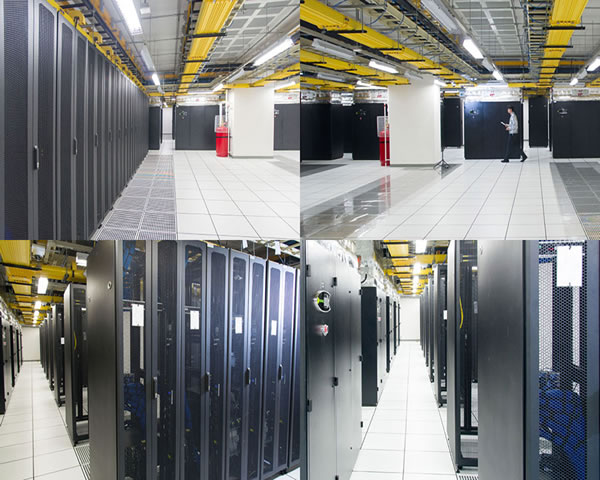
CN2 is a next-generation network launched by China Telecom, aiming to provide more efficient and stable network services. Compared with traditional networks, CN2 has lower latency and higher bandwidth, which can effectively improve the speed and reliability of data transmission. For enterprises that need to frequently interact with US servers, choosing CN2 is undoubtedly the key to improving network performance.
The reasons for using CN2 are mainly reflected in its superior network performance, low latency and high stability. First of all, the CN2 network significantly reduces the delay encountered by data packets during transmission by optimizing the data transmission path. Secondly, CN2 has dedicated network resources to ensure stability during peak hours. These advantages allow enterprises to obtain faster response times when communicating with US servers, thereby improving user experience and business efficiency.
Choosing CN2 as the connection solution has a positive impact on US server hosting . First of all, CN2 can reduce the packet loss rate of cross-border data transmission and ensure the integrity and reliability of data. Secondly, CN2 can increase the speed of data transmission and provide enterprises with a faster access experience. In addition, stable network connections also enable enterprises to more effectively configure and manage resources when transmitting large-scale data.
Although the use of CN2 may involve certain costs, in the long run, the benefits it brings are undoubtedly huge. By improving network performance, enterprises can reduce losses caused by network problems and improve work efficiency. In addition, a good network experience can also help improve customer satisfaction, thereby promoting business growth. Therefore, although the initial investment may be higher, in terms of overall benefits, using CN2 is a wise choice.
When choosing a CN2 service provider, companies should consider multiple factors, such as network coverage, service quality, after-sales support, etc. A high-quality service provider can provide a more reliable network connection and provide timely support when problems arise. In addition, enterprises should also pay attention to the reputation and customer feedback of service providers to ensure that the selected service providers can meet their needs.
In addition to using CN2, enterprises can also combine other network optimization methods to further improve network performance. For example, content distribution network (CDN) can effectively reduce user access delays, while load balancing technology can optimize the use of server resources and improve overall performance. The combined use of these means will help enterprises provide better network services on a global scale.
With the continuous advancement of technology, CN2 network technology is also constantly upgraded. In the future, more enterprises will realize the advantages of CN2 in network performance and stability and choose it as a connection solution. In addition, with the development of cloud computing and big data, enterprises will have more stringent requirements for network performance, and CN2 has broad application prospects.
To sum up, using CN2 can not only improve network performance and reduce latency, but also have a positive impact on US server hosting. When enterprises choose network connection solutions, they should fully consider the advantages of CN2 and conduct a comprehensive evaluation based on their own business needs. At the same time, choosing the right service provider and combining it with other network optimization methods will further improve network reliability and user experience. As Internet technology continues to develop, companies should keep an eye on new technologies in order to stay ahead of the competition.
- Latest articles
- How To Enhance Data Recovery Capabilities Under German VPS Hosting Through Snapshots And Automatic Backups
- How To Choose An Alibaba Cloud Hong Kong Server VPS To Meet Multi-site Concurrent Access Needs
- Performance Testing Methods For South Korean CN2 Station Clusters: Key Points For Packet Loss Delay And Throughput Evaluation
- Performance Comparison Of The Hong Kong Sha Tin CN2 Host With Other CN2 Nodes On The Market
- Assessing The Speed Of VPS In Vietnam From A Business Perspective And Its Impact On E-commerce And Content Distribution
- In-depth Analysis Of Key Points For Selecting Taiwan CN2 Routes To Help Enterprises Select The Right Connection Channels
- Detailed Guide And Deployment Recommendations On How Corporate Websites And E-commerce Platforms Can Adapt To Hong Kong Server Hosting
- Developer's Guide: What Does Korean VPS Mean? Environment Configuration And Common Compatibility Issues
- Behind-the-scenes Interviews Curated The Charm Secrets Of Thai Variety Show Data Centers
- Key Points Reminder For Enterprise-Level Projects Choosing Singapore Cloud Server CN2 Service Providers
- Popular tags
-

Interpret Common Terms And Conditions In Industry Standards And Us Server Hosting Charging Standards
professional interpretation of common terms and conditions in industry standards and us server hosting charging standards, covering billing structure, bandwidth and traffic, sla, contract and termination, technical support, additional fees and billing dispute resolution suggestions. -

Explore The Performance And Stability Of High-speed High-defense Servers In The United States
in-depth discussion of the performance and stability of high-speed high-defense servers in the united states to help users choose appropriate server solutions. -

Price Transparency Comparison Platform Inventory Helps You Find The Real Prices Of US Class A Servers
Let's review the price transparency comparison platform and teach you how to find the real prices of US Class A servers. Introducing platform features, verification methods, precautions, and operational procedures to help enterprises make rational choices.